



Modestas is an experienced iGaming analyst focused on crash mechanics, betting systems, and player engagement strategies. He explores game volatility, fairness algorithms, and payout dynamics. His favorite title is Aviator, which he admires for its mix of simplicity, excitement, and the thrill of timing every flight just right.
Play Aviator Game Online – in Casino in Malawi
Aviator is a fast crash-style title where every round is a short decision: stay in as the multiplier climbs, or cash out before the plane disappears. For online casino players from Malawi, it feels familiar within seconds, because the interface is minimal and the rules are easy to grasp even if you’ve never tried this genre before.
Play DEMO
Play with real money

What makes this crash game different, and what’s the main idea?
At its core, the round starts at 1.00x and rises smoothly upward. Your potential payout grows with the multiplier, but the round can end at any moment. If you cash out before it ends, you win; if you wait too long, you lose the stake for that bet. That tension between speed and control is the whole point, and it’s also why sessions tend to be short, focused, and highly repeatable.
Unlike classic reels, there are no paylines to learn and no long animations. The entire experience revolves around timing and bankroll discipline. Because rounds are quick, many players treat it like a “micro-session” game: a few minutes, a clear target, then a break. The practical skill is not predicting outcomes, but keeping your decisions consistent under pressure.
A short history and why the format became so popular
Crash games grew out of the wider shift toward faster online products: fewer screens, fewer steps, and more player agency. The plane-and-multiplier theme became popular because it’s instantly readable, even on mobile, and it turns a complex probability concept into something visual and intuitive.
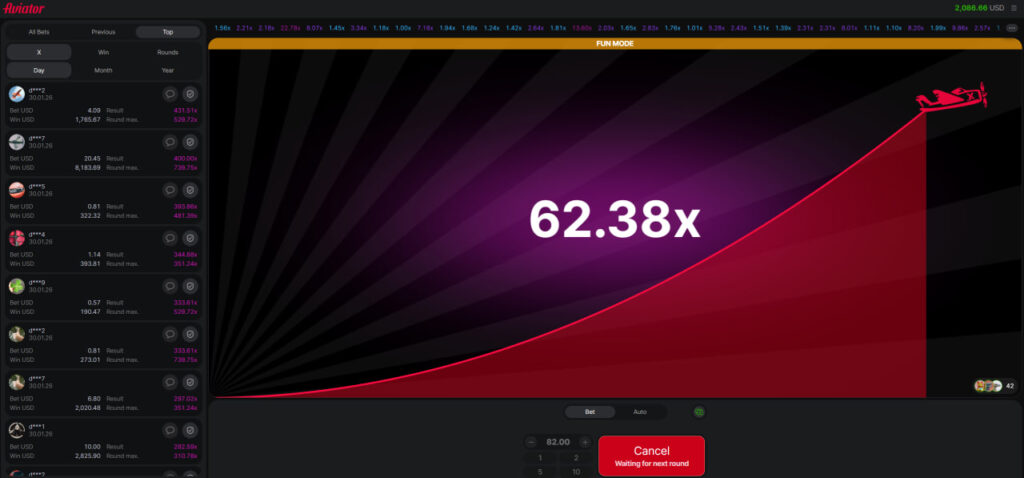
Another reason is social pace. Most online lobbies show recent results and live bets from other users. Even when you ignore the crowd, that stream creates rhythm: you feel the game moving, and you can compare your choices with others in real time. It’s not about copying bets, but about understanding how different risk styles behave across many rounds.
Rules overview and practical key features
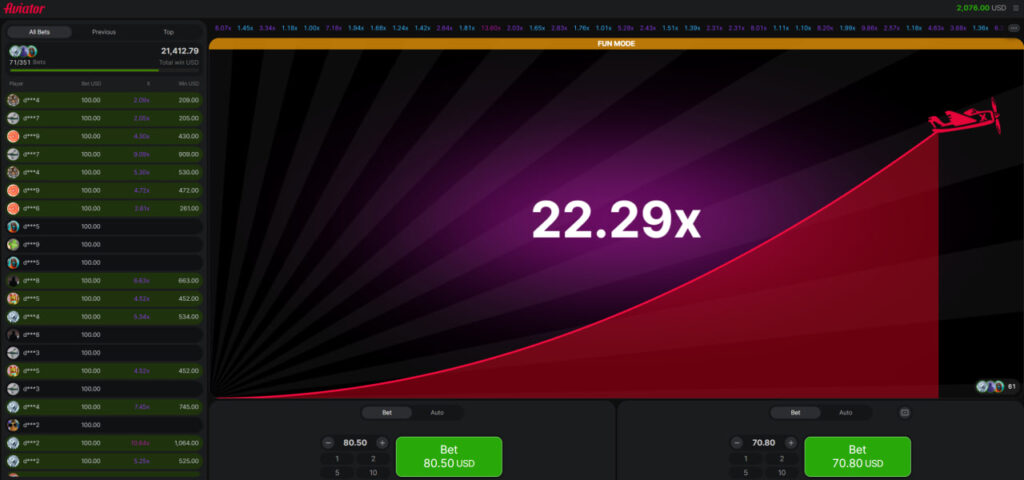
The basic rules are simple: you place a bet before the round starts, watch the multiplier rise, and cash out whenever you want. If the round ends before your cash-out, the bet is lost. Many platforms also allow two separate bets in the same round, which lets you split risk between a conservative exit and an aggressive one.
Key features you’ll see in most versions:
- Auto Bet: repeats your stake round after round without manual re-entry, useful when you’re testing a fixed plan.
- Auto Cashout: locks in a chosen multiplier and exits automatically, reducing “one more second” mistakes.
- Two-bet mode: lets you run two stakes in parallel, often used to combine a low target with a higher target.
- Quick controls: preset buttons (for example 1.20x, 1.50x, 2.00x) speed up decisions and keep timing consistent.
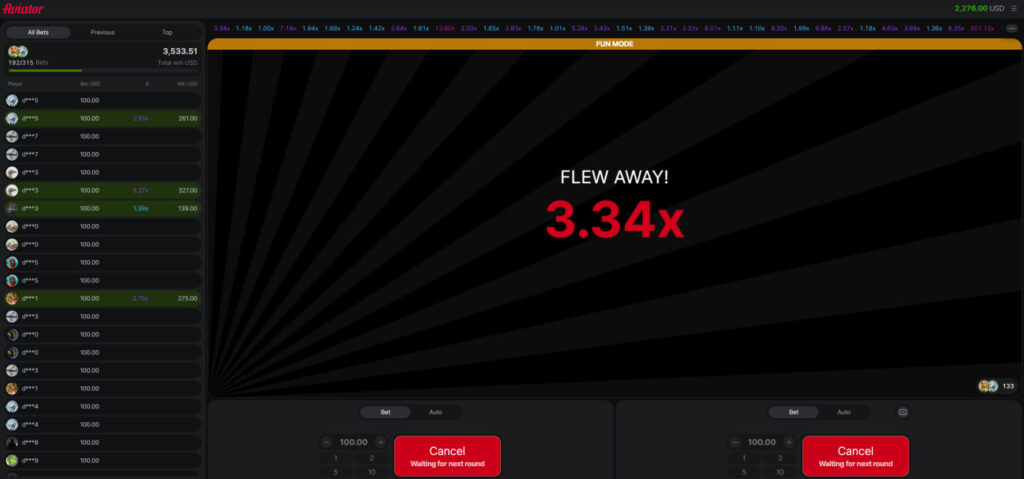
- History panel: shows recent crash points and helps you review pace, without implying any pattern.
- Live feed: displays other bets and cashouts; it’s informational, not predictive.
These tools don’t change the math, but they can change your behavior. For beginners, the biggest value is removing hesitation: you decide your plan in advance, then let the interface execute it. Two-bet mode is especially useful for learning, because it turns one round into a small experiment: you can see how a “safe” exit and a “bold” exit behave side by side, without changing the whole session.
Multipliers, RTP, and how randomness is applied
In practical terms, the multiplier is your risk dial. A low cash-out target produces frequent small wins; a high target produces rarer, larger wins. The expected return of the product is typically expressed as RTP (Return to Player), which describes long-term statistical payout rather than a promise for a single session. In the Aviator game, a common beginner mistake is to treat the multiplier like a target you must reach, instead of a tool you choose to manage variance.
Under the hood, outcomes are determined by an RNG (Random Number Generator). That means the crash point is generated independently each round, not based on what happened before. A long streak of low results doesn’t “force” a high multiplier next, and a run of high multipliers doesn’t mean a drop is due. Treat the history as context for volatility, not a forecasting tool.
When you’re learning, it helps to think in ranges: low-risk targets can keep your balance steadier, while high-risk targets can swing it quickly. A plan only makes sense if it matches how much variance you’re comfortable with and how long you intend to play.
Demo mode: practice without pressure
A demo version is essentially a training room: you get virtual credits, the same round speed, and the same controls, but you aren’t risking real funds. Many beginners prefer to Play Aviator game demo first, because it helps you understand timing, test auto cashout levels, and get used to two-bet play without emotional pressure. In Aviator Malawi lobbies, the demo usually mirrors the real interface closely, so the transition to real-money rounds feels straightforward.
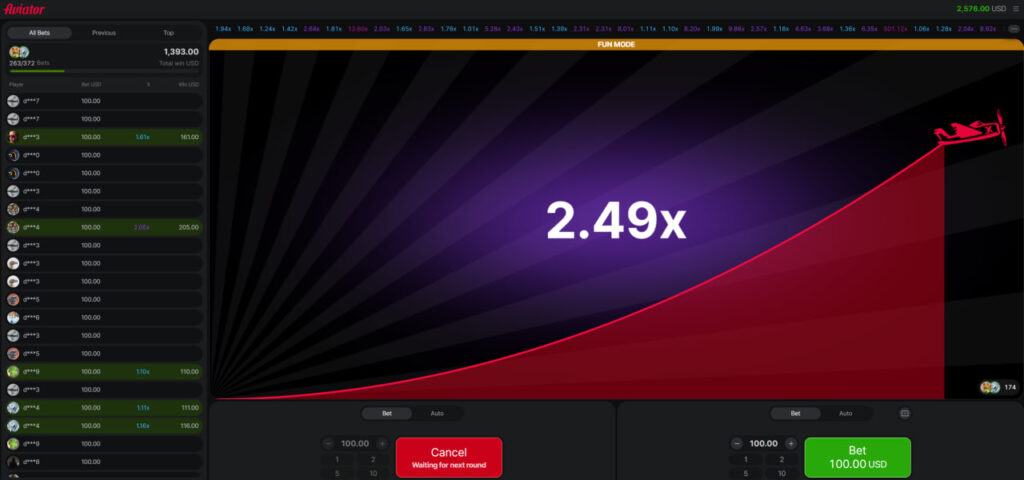
One smart way to use the demo is to set a simple goal that isn’t profit-based, such as “cash out at the same number for 30 rounds” or “test two targets with the same stake.” If you can follow a plan in practice, it’s much easier to repeat it later when real outcomes feel more personal.
| Feature | Demo Mode | Real Money Mode |
| Balance | Virtual credits | Real balance changes |
| Decision pressure | Lower | Higher |
| Goal | Learn timing and tools | Manage risk and results |
| Two-bet practice | Available (platform-dependent) | Available (platform-dependent) |
| Session tracking | Personal learning | Personal bankroll focus |
Getting started: from choosing a site to your first round
Starting is more about setup than luck. Here’s a practical path that works on most platforms:
- Choose a reputable online casino with clear game rules displayed and a stable interface.
- Open the game lobby, check the minimum stake, and confirm whether two-bet mode is available.
- Begin with a small stake you can comfortably repeat for multiple rounds.
- Set Auto Cashout to a conservative number (for example, close to 1.20x–1.50x) to learn rhythm.
- Watch two or three rounds without betting, just to feel the pace and timing.
- Place your first bet and use a simple target; once you’re comfortable, you can Play Aviator game with two small bets and compare outcomes.
- After 20–30 rounds, review your results and adjust only one variable at a time.
If you’re searching specifically for Aviator Malawi, focus on clarity: look for a clean layout, responsive controls, and an easy-to-read history panel. Fast rounds reward calm, not complexity.
Playing on mobile: Android, iOS, and desktop support
Most modern crash titles run smoothly in a mobile browser, and many casinos also provide dedicated apps. On Android and iOS, the key factors are screen responsiveness and a stable connection: you don’t want buttons to lag at the exact second you mean to cash out.
Desktop (PC) is still a strong option if you prefer a bigger history view and more precise clicks. But for players in Malawi who spend more time on smartphones than laptops, the mobile experience is often the default way to play.
If you choose an app, installation is usually straightforward: download from the operator’s official page or store listing, sign in, and launch the game from the lobby.
Beginner-friendly strategies and how to apply them sensibly
Strategies in crash games are not magic formulas. They’re ways to structure risk so your decisions don’t change every round. The simplest approach is a fixed stake with a fixed cash-out target. It’s boring, but it’s the cleanest way to measure how the game feels over time.
Martingale Strategy
Martingale is the most known progression method: you increase your stake after a loss to try to recover quickly on the next win. In a fast crash environment, this can escalate your risk very quickly, so if you ever try it, keep the cash-out target low and cap the number of steps.
Labouchere Strategy
Labouchere is a more structured progression: you define a sequence of numbers and adjust based on wins and losses. It can feel “smoother” than Martingale, but it still increases stakes in losing streaks. Beginners often use shorter sequences to keep swings manageable.
Staircase Strategy
A simple ladder (staircase) approach is the opposite of chasing losses: you gradually increase your cash-out target or stake after a few successful rounds, then reset after a miss. This works best when you treat it as a confidence tool, not as a way to force profit. The Aviator game rewards repeatable habits, so any strategy that helps you avoid emotional jumps is more useful than one that tries to “beat” randomness.
One sensible habit across all approaches is to separate learning sessions from serious sessions. When you experiment, use smaller stakes and stop after a set number of rounds.
Is the game safe, and what Provably Fair actually means
A common question is whether a crash title is “rigged.” The honest answer is that outcomes are random and the house edge exists by design, but that’s not the same as fraud. What matters is whether the platform offers transparency about how each round’s result is generated. This is also why players compare providers: two games can look identical, yet differ in how openly they publish verification details.
This is where Provably Fair systems come in. In a typical setup, the operator generates a server seed, the player has a client seed, and each round uses a nonce (a counter) to create a unique hash. The crash point is derived from that hash. After a session, the server seed can be revealed so you can verify that the results match the published method.
In Aviator Malawi environments that support Provably Fair verification, you’ll usually find a section where you can view seeds and check hashes. You don’t need to do math every round, but knowing the mechanism exists is important: it’s a technical way to prove that results weren’t changed after the fact. If you’re curious, a quick check once in a while is enough to understand the workflow.
Final thoughts: is it worth your time?
If you like short rounds, clear choices, and a format that rewards self-control, this game can be engaging without being complicated. The best experience comes from treating it as a timing exercise: choose a target, follow it consistently, and keep sessions short enough that emotions don’t take over.
For newcomers, the learning curve is gentle, especially if you start with demo play and a conservative auto cashout. When you’re ready, you can Play Aviator game with a simple plan, track your swings, and decide whether the volatility matches your style.
FAQ
No. Each round is generated independently. A history panel can help you understand how volatile the session is, but it cannot predict what happens next.

Modestas Mankus
Last updated: 10.03.2026