



Modestas is an experienced iGaming analyst focused on crash mechanics, betting systems, and player engagement strategies. He explores game volatility, fairness algorithms, and payout dynamics. His favorite title is Aviator, which he admires for its mix of simplicity, excitement, and the thrill of timing every flight just right.
How to Win Aviator | Smart Tips in Uganda
The Aviator game thrives on tension and keeps players engaged by forcing them to balance calculated risk with fast, confident decisions. As the multiplier climbs, every second matters, yet the round can end instantly with a crash that wipes out an uncached win. To improve your results, you need to understand key elements such as cashout timing, payout behavior, and matching your stake sizes to your available bankroll. In this guide, we cover the most important recommendations that can help you play more effectively and increase your chances of a positive outcome.
Play DEMO
Play with real money

Contents
- 1 Getting Started with the Aviator Game
- 2 Reliable Betting Tactics for the Aviator Game
- 3 Bankroll Management in the Aviator Game
- 4 Risk-Control Techniques to Maintain Discipline
- 5 FAQs
- 5.1 Is there a guaranteed method to win in Aviator?
- 5.2 What is a realistic cashout target for a controlled approach?
- 5.3 What is the low, steady stake approach and who should use it?
- 5.4 How should I manage bankroll to avoid burning funds fast?
- 5.5 What discipline rules matter most on the How to Win page?
Getting Started with the Aviator Game
Starting with the Aviator game is straightforward, but consistent success depends on learning the pace of rounds and applying smart strategy from the beginning. Players place a wager on a rising multiplier and must cash out before the plane crashes to lock in winnings. The game also includes a social component, letting participants watch other bets and cashouts while chatting with the room in real time.
Getting Familiar with the Interface
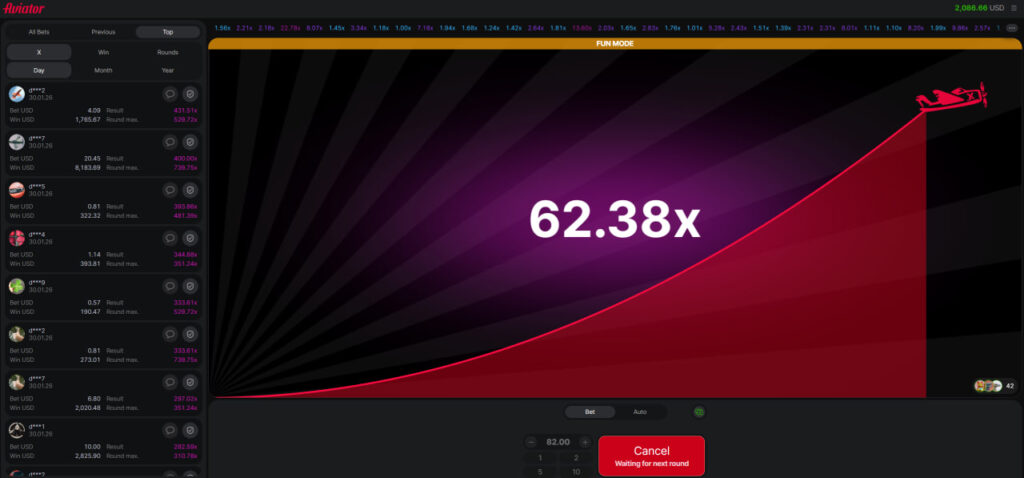
The Aviator game layout is clear and minimal, showing a flight path with a multiplier that increases as the plane climbs. Bets are placed through a control panel at the bottom of the screen, while the round progression is visible as it unfolds. A notable feature is the ability to observe other players placing bets and cashing out, which can influence decision-making and add an interactive element to the experience.
Making Your First Wagers
After you understand the interface, you can begin placing stakes before the plane takes off. The core decision is choosing when to cash out as the multiplier rises with the aircraft’s ascent. If you wait too long, the crash can happen and you can lose the entire stake. For new players, starting with smaller bets is usually the most sensible approach, allowing you to learn how the game behaves while keeping risk under control.
Reliable Betting Tactics for the Aviator Game
Risk tolerance and personal goals heavily shape the most suitable betting approach. Whether your priority is protecting your balance or pursuing larger wins, your tactics should reflect the fact that the Aviator onlinr game is fast, volatile, and inherently unpredictable.
Low, Steady Stake Approach
This is one of the safest methods, built on placing modest bets consistently within a controlled range. It helps players limit exposure while gradually learning how rounds tend to develop and when cashing out is most practical. With small but regular wagers, you can stay in the game longer, better understand patterns of play, and reduce the damage of occasional losses. Over time, this approach can be especially useful for beginners who value stability and steady progress.
Targeting a 1.5x Cashout
The 1.5x strategy suits players who want slightly more ambition than the most conservative style but still prefer controlled risk. The idea is to cash out early at around 1.5x, which can deliver steady gains without aiming for extreme multipliers. This reduces the chance of large single-round losses while still allowing incremental profit-building. Returns may be modest, but it supports consistent play without pushing exposure too far.
Aggressive Play for Bigger Multipliers
For players who prefer higher excitement and potentially larger payouts, an aggressive approach focuses on holding for stronger multipliers. The trade-off is clear: the longer you wait, the higher the probability the plane crashes before you cash out. To use this style responsibly, it is essential to set clear limits and avoid overcommitting after losses. It works best as an occasional tactic rather than a default method in every round.
Bankroll Management in the Aviator Game
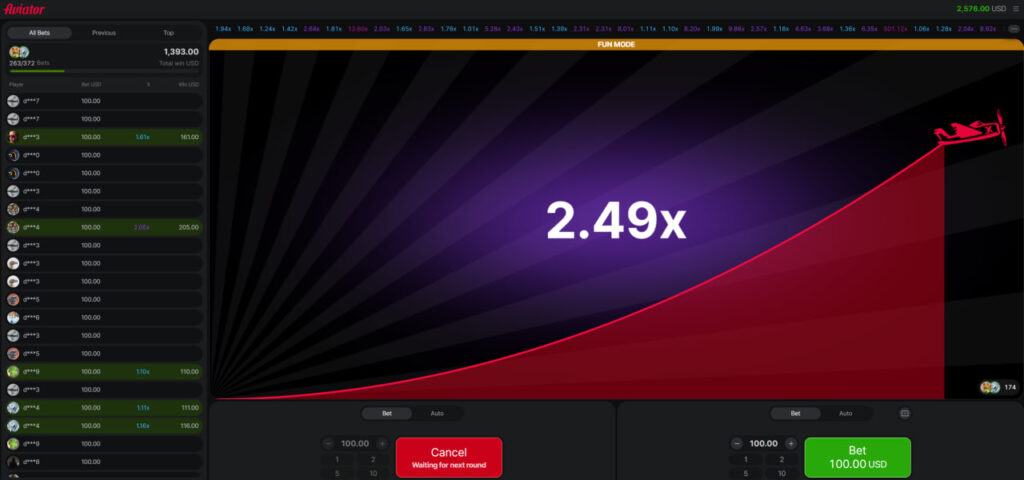
Effective balance management is critical if you want to stay successful over the long term in the Aviator game. Without discipline, it is easy to burn through funds quickly, especially when outcomes swing rapidly. Allocating a dedicated budget for play and defining how much you are willing to risk per session are essential steps to reduce unnecessary financial damage.
- Defining a Budget and Stake Caps
A practical rule is to decide, before you start, how much you are comfortable losing in a session to avoid overspending. Once that limit is set, you should follow it consistently and base stake sizes on realistic probabilities rather than emotions. This helps prevent impulsive bets that can wipe out your bankroll in just one or two rounds.
- Betting as a Percentage of Your Bankroll
A strong bankroll-control method is staking a fixed percentage of your current balance instead of using the same amount every round. This automatically scales risk up or down based on how your session is going. It helps reduce exposure after losses and prevents you from exhausting your budget too quickly during a bad streak.
- Avoiding Loss Chasing
A common mistake is trying to recover losses immediately by increasing bets in an attempt to get back to even. Chasing losses often leads to rapid bankroll depletion and poor decision-making driven by emotion rather than logic. A better approach is to follow a structured plan and avoid sudden, irrational changes in strategy after a losing round.
Risk-Control Techniques to Maintain Discipline
Risk control methods are among the most important tools for keeping gameplay stable and sustainable. By setting firm loss boundaries and recognizing whether you are in a favorable or unfavorable stretch, you can balance potential rewards against realistic downside exposure.
Using Loss Limits and Stop-Loss Controls
Defining clear boundaries for acceptable loss is a core part of responsible risk management.
- Decide in advance how much you can afford to lose before each session begins.
- Once you reach that threshold, stop playing immediately.
- Some platforms also offer stop-loss tools that automatically pause play after a preset loss amount is hit.
These measures help curb behaviors such as loss chasing and support healthier bankroll protection.
Identifying Winning and Losing Streaks
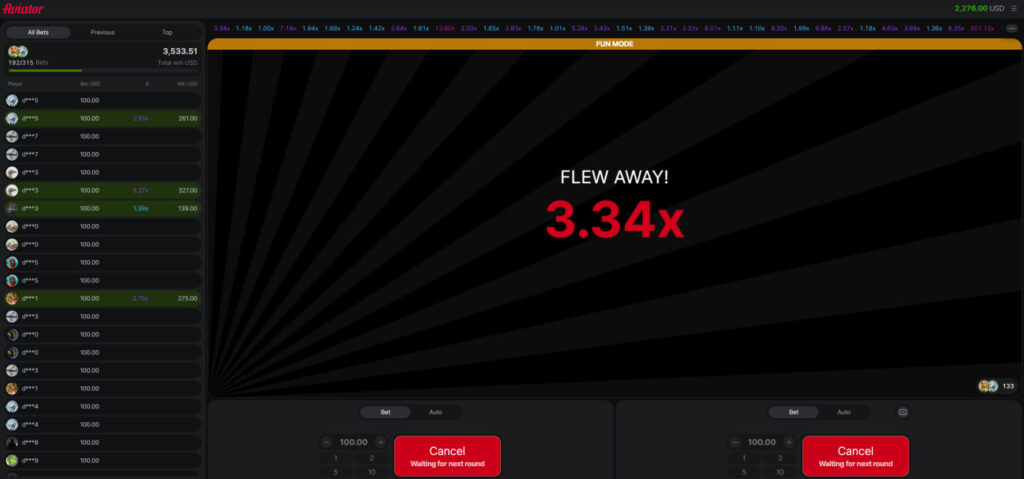
Knowing whether you are currently winning or losing can guide how you size your next bets. During a winning streak, a controlled increase in stake size may be reasonable, while a losing streak is usually a signal to reduce bets to protect your remaining funds. Recognizing streaks supports better discipline and helps limit risk during volatile sessions.
FAQs
No. Each round can end suddenly, so outcomes are unpredictable. What you can improve is decision quality: cashout timing, stake sizing, and discipline across many rounds.

Modestas Mankus
Last updated: 10.03.2026