



Modestas is an experienced iGaming analyst focused on crash mechanics, betting systems, and player engagement strategies. He explores game volatility, fairness algorithms, and payout dynamics. His favorite title is Aviator, which he admires for its mix of simplicity, excitement, and the thrill of timing every flight just right.
How to Win Aviator Game Online in South Africa
How to win Aviator Game starts with understanding what you can control: your stake size, your cash-out decisions, and your emotional tempo over many short rounds. For players in South Africa, Aviator can feel deceptively simple on the surface, but the game rewards calm routines more than bold guesses.
Play DEMO
Play with real money

Aviator belongs to the “crash game” family, where outcomes move fast and the multiplier climbs in real time. People often compare it to quick, high-energy casino titles like Plinko because both can swing sharply in seconds. The difference is that Aviator gives you an active decision point: you choose when to cash out.
Contents
- 1 Aviator in a Nutshell: Round Mechanics and Key Controls
- 2 Why Winning Aviator Is About Discipline, Not a Secret Hack
- 3 Field-Tested Ways to Play Aviator More Effectively
- 4 Aviator Demo Mode: What It Is and Why It Matters
- 5 Fast-Loss Traps: Mistakes That Drain Your Balance
- 6 Responsible Gambling Reminder
- 7 Conclusion
- 8 FAQ About Playing Aviator
Aviator in a Nutshell: Round Mechanics and Key Controls
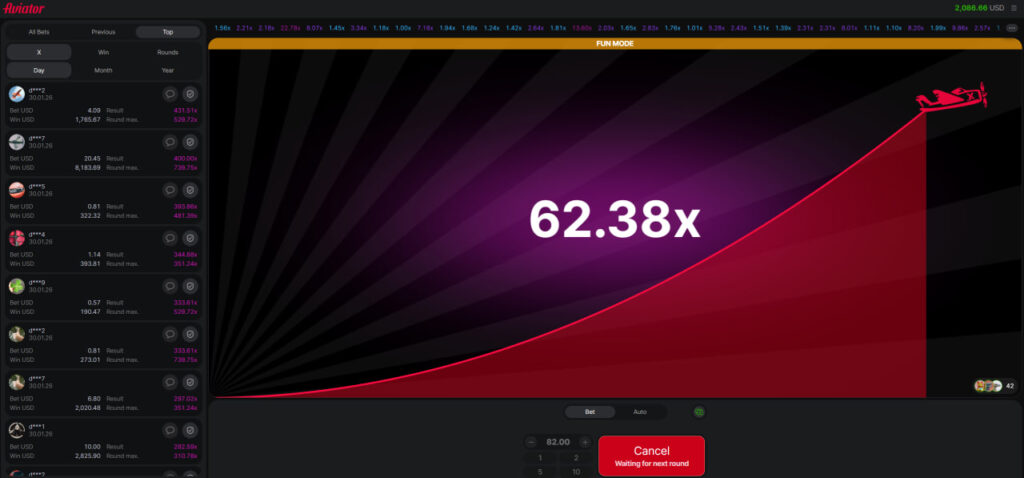
Aviator is built around one main idea: a multiplier rises from 1.00x upward, and at a random moment the round “crashes.” If you cash out before the crash, your payout is your bet multiplied by the cash-out multiplier. If you don’t cash out in time, the bet is lost for that round.
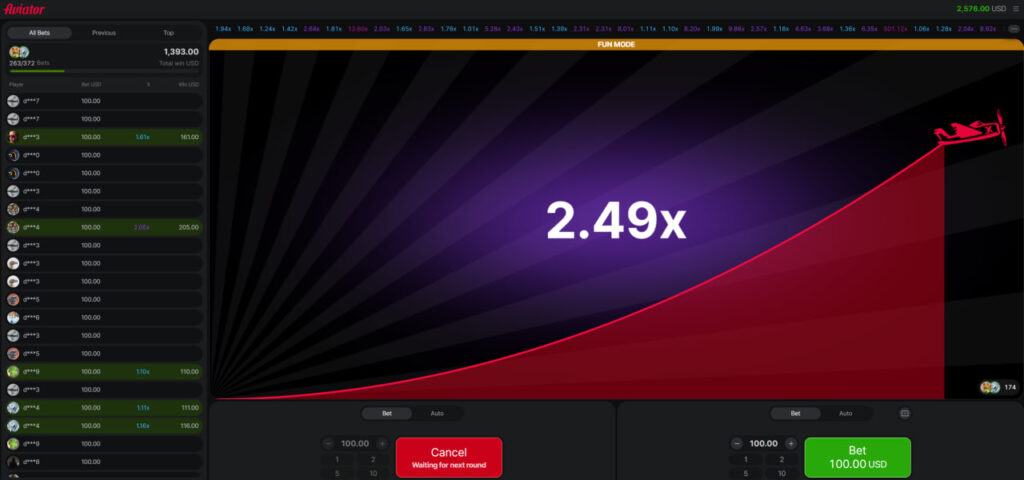
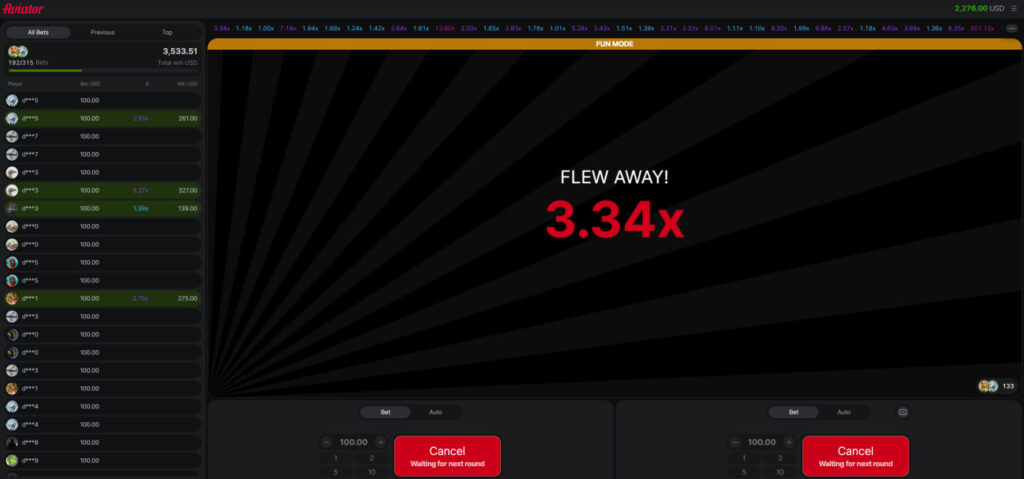
Most versions of Aviator include a few common controls that affect how you play. You may be able to place a single bet or use a double bet with separate cash-out targets. Cash-outs can be manual, where you click to exit the round, or automatic, where you set a target multiplier and the game cashes out for you if it’s reached. The interface usually displays round history and basic statistics so you can review what just happened, but those numbers can’t predict what happens next. Some lobbies also include a chat or social feed showing other players’ exits, which can be fun to watch but risky to follow.
The key detail: each round is independent. The plane doesn’t “owe” a high multiplier after a series of low ones, and it doesn’t “have to” crash early after a long run. Treat the history as context, not a forecast.
Why Winning Aviator Is About Discipline, Not a Secret Hack
Newcomers often search for one rule that guarantees profit. Aviator simply doesn’t work that way. Like other high-volatility games, it’s designed around variance: short bursts of success, sudden losses, and stretches where results feel unfair.
What you can do is improve your decision quality. In practice, that means building a plan that protects your bankroll from long losing streaks and stops you from overreacting to a single impressive round. If you focus only on “catching the big one,” you’ll naturally take more late cash-outs, which increases the chance of getting clipped by an early crash.
A smart approach treats Aviator as a session game. Your goal becomes staying in control long enough for your strategy to play out, not trying to “beat” randomness in one dramatic click. That mindset sounds simple, but it’s surprisingly hard to keep when the multiplier is climbing and everyone in the lobby is reacting in real time.
Field-Tested Ways to Play Aviator More Effectively
Below are practical adjustments that experienced crash-game players use to reduce chaos and keep their decisions consistent. None of these tips remove risk, but together they can make your sessions more stable.
- Pick a default cash-out range and stick to it. Many players perform better when they aim for modest multipliers most of the time, rather than chasing extreme numbers every round.
- Use auto cash-out as a discipline tool. It’s not a magic feature, but it can prevent hesitation and last-second greed.
- Split your stake into two targets (when available). A conservative first bet can lock in frequent small returns, while the second bet can aim higher with a smaller amount.
- Set a clear stop point for the session. Decide in advance what a “good exit” looks like: a profit target, a time limit, or a maximum loss you accept.
- Keep bet sizes flat or gently scaled. Sharp increases after a loss often lead to panic decisions and faster bankroll damage.
- Ignore lobby hype and “hot streak” talk. Social pressure makes you abandon your plan at exactly the wrong time.
- Take short breaks after big swings. A two-minute reset can stop you from turning one loss into five.
If your goal is to get to know how to win Aviator Game with fewer emotional spikes, the biggest upgrade is consistency: repeat the same decisions over enough rounds to see whether your approach actually works. In other words, you’re not trying to “outsmart” the round, you’re trying to play your own system cleanly.
Aviator Demo Mode: What It Is and Why It Matters
Aviator Demo is a free-to-play version of the game that mirrors the real interface and round flow, usually with virtual credits. You still see the multiplier climb, you still decide when to cash out, and the pace feels the same. The main difference is psychological: losing in demo mode doesn’t punish your bankroll, so you can learn without tension.
For many players in South Africa, demo play is the most practical way to practice timing on mobile, test whether auto cash-out feels comfortable, and understand how quickly a session can swing. Using demo mode is also one of the safest ways to learn how to win Aviator Game without turning early mistakes into real losses.
Here’s a simple comparison of the two formats:
| Feature | Aviator Demo | Aviator for Real Money |
| Cost to play | No real funds required | Uses your actual balance |
| Emotional pressure | Low, good for learning | Higher, affects decisions |
| Best use case | Practice cash-out timing and session rules | Applying a tested plan with limits |
| Risk level | No financial risk | Real financial risk each round |
| Data awareness | Helps review habits and mistakes | Rewards discipline, punishes chasing |
The goal of demo mode isn’t to “prove” you’ll win later. It’s to train your process: how you size bets, how quickly you react, and whether you can follow your own rules when rounds get noisy. If you treat demo sessions like real ones (same targets, same limits), the lessons transfer much better.
Fast-Loss Traps: Mistakes That Drain Your Balance
Aviator punishes a few common habits especially hard. If you recognize these patterns early, you can slow down losses and keep the game from taking over your session.
- Chasing the highest multipliers: Waiting for huge numbers over and over increases the chance of repeated crashes before cash-out, leading to a string of fast losses.
- Doubling up after every miss: Rapid bet escalation can feel logical in the moment, but it turns variance into a bankroll emergency.
- Copying other players’ cash-outs: Seeing someone win big is distracting, not helpful. Their risk tolerance and bankroll may be totally different.
- Playing on tilt after a near miss: Losing at 1.98x when you wanted 2.00x can push you into reckless rounds that ignore your plan.
If you’re serious about knowing how to win Aviator Game, the fastest improvement is learning to spot the moment your behaviour changes. The round itself is random, but your reactions are not. The safest habit is to spot the moment your decision-making changes, and end the session before it gets expensive.
Responsible Gambling Reminder
Aviator is built to feel exciting because each round is short and outcomes are immediate. That speed can make it tempting to “just play one more,” especially after a frustrating crash. If you notice that your sessions are getting longer, your bets are creeping up, or you’re playing to recover losses, pause and reset your limits.
If you play from South Africa, treat Aviator like entertainment with a budget, not a way to solve money problems. Set boundaries before you start: a time cap, a loss cap, and a rule that you never increase stakes to chase a previous round. Walking away while you still feel in control is a skill, and it’s the one that protects you across every casino game.
Conclusion
To close it out, remember that learning how to win Aviator isn’t about being fearless. It’s about being repeatable. And if you keep your rules simple, your timing steady, and your emotions in check, you’ll give yourself the best possible chance to play well over the long run.
FAQ About Playing Aviator
No. The outcome is random and there is no secret hack. What you can control is stake sizing, cash-out decisions, and staying disciplined across many short rounds.

Modestas Mankus
Last updated: 10.03.2026