



Modestas is an experienced iGaming analyst focused on crash mechanics, betting systems, and player engagement strategies. He explores game volatility, fairness algorithms, and payout dynamics. His favorite title is Aviator, which he admires for its mix of simplicity, excitement, and the thrill of timing every flight just right.
How to Win Aviator Game Casino Guide
Aviator App access has helped turn Aviator into one of the most played crash-style titles in online gaming. The concept is simple: you place a bet, the multiplier climbs, and you decide when to cash out. That mix of fast rounds and real-time decision-making makes the game feel skillful, even though each round’s outcome is still driven by probability.
Play DEMO
Play with real money

Aviator is popular because it’s easy to learn, quick to play, and transparent about what you’re doing. There are no complicated paylines or bonus mechanics to memorize, just a clear risk-reward choice every round. It’s also why many players search for how to win Aviator game in a way that’s controlled and repeatable, rather than chasing lucky streaks.
Contents
A Quick Tour of Aviator Gameplay
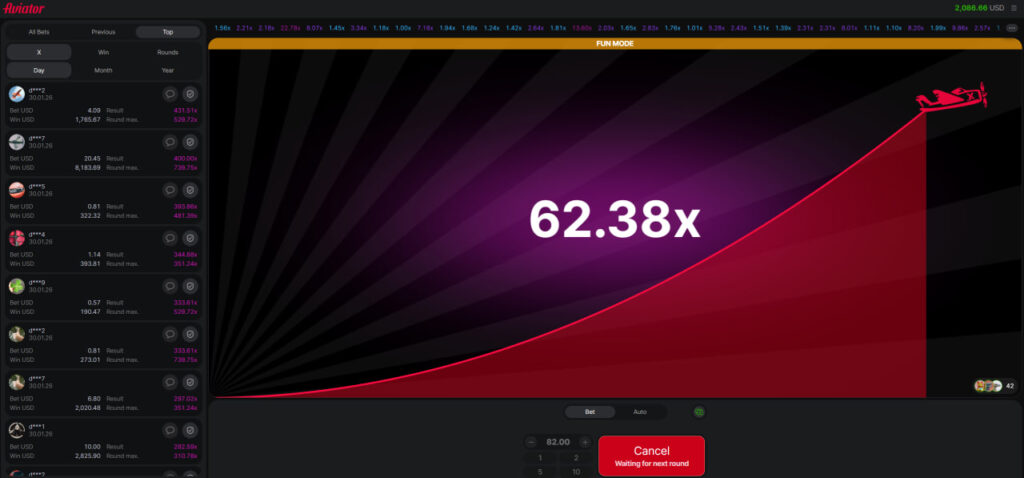
Aviator is a crash-style game built around a rising multiplier. You choose your stake before the round begins, then a small plane takes off and the multiplier starts increasing from 1.00x upward. You can cash out at any moment, and your payout is your stake multiplied by the cashout value.
The catch is that the plane can “fly away” at any time, ending the round instantly. If it crashes before you cash out, you lose that bet. Many versions also let you place two separate bets in the same round, which is useful for combining a conservative cashout with a higher-risk attempt.
If you’ve seen games where a ball drops through pegs, the flow is similar in one sense: you’re watching a live outcome unfold and deciding how much risk to take. In Aviator, the decision is timing rather than predicting where a ball will land.
Betting Frameworks Players Use
Before talking tactics, it’s worth setting expectations. No system changes the underlying randomness of a crash game. What strategies can do is control volatility, reduce emotional decisions, and help you stick to a plan when wins and losses come in clusters. A clearer bankroll plan is a practical answer to how to win Aviator game over the long run, because it keeps you in the game long enough for your decisions to matter.
Below are common staking approaches players apply to Aviator rounds. They’re not secret methods, they’re risk-management frameworks with clear trade-offs.
| Strategy | How it works in Aviator | Potential upside | Main risk | Best used when |
| Martingale | Increase stake after each loss, aiming for one win to recover losses plus profit | Can recoup quickly after a short losing streak | Loss streaks grow the next bet fast, risking bankroll limits | Only with strict caps and a large buffer |
| Paroli (Reverse Martingale) | Increase stake after wins, reset after a loss | Leans into hot streaks while limiting “chasing” | A single loss can erase several smaller wins if steps are too aggressive | When you’re comfortable with higher variance |
| Labouchere | Use a sequence (e.g., 1-2-3-4); bet the sum of first+last, remove numbers after wins, add after losses | Creates a plan for staking and recovery | The sequence can expand quickly during losses | With small starting numbers and stop rules |
| Ladder (Step-Up) | Increase stake gradually after a set number of wins, drop back after a loss | More controlled than doubling systems | Slow recovery after losses, temptation to overextend | For steady sessions and conservative play |
A sensible way to use these is to pair them with a cashout plan, not just a staking plan. For example, flat betting with an auto cashout around a modest multiplier is very different from flat betting while manually chasing high multipliers. The strategy is the combination of stake sizing, cashout timing, and session limits.
Practical Expert Tips for Better Results
The tips below are habits and settings adjustments that experienced players use to reduce chaos in their sessions. They won’t remove luck, but they can help you make more consistent decisions. If you’re looking for how to win in Aviator crash game with fewer emotional swings, focus on process first.
- Use two-bet structure to balance safety and upside. If your version allows it, split your stake into two bets. Cash out the first bet early at a conservative target to lock in frequent small returns, then let the second bet run longer for higher multipliers. This approach smooths variance and helps avoid the “all-or-nothing” mindset.
- Set auto cashout targets to protect you from hesitation. Many losses happen because players freeze or get greedy in the moment. Auto cashout turns your plan into a default action, so you’re not relying on reaction speed or emotions. You can still manually cash out earlier if the round feels risky, but the baseline discipline remains.
- Treat your bankroll as session fuel, not a single bet. Decide the maximum amount you’re willing to lose in a session before you start. Then size each bet as a small fraction of that session bankroll. This reduces the chance that a short run of crashes forces you into big swings, and it keeps your decision-making clearer.
- Avoid “chasing” after a sudden crash. Crash games create strong urges to win it back quickly. After a loss, many players raise stakes or delay cashout trying to make one big hit. A better rule is simple: after any emotionally sharp loss, take a short pause and return to your base stake and target.
- Track outcomes for pattern awareness, not prediction. Keeping notes on your cashout targets, bet sizes, and session results helps you spot where your plan breaks down. The goal isn’t to predict the next crash, because you can’t. The goal is to see whether your choices are consistent and whether you tend to deviate in specific situations.
- Use the Demo Version to build timing discipline. A Demo Version lets you practice cashout targets, two-bet setups, and session rules without real-money pressure. That’s where you learn how your plan feels during fast climbs and sudden crashes, and you can adjust before stakes are involved.
Aviator Demo Mode and Why It Matters
If you want to learn how to win in Aviator game with fewer avoidable mistakes, the demo is the most efficient training tool. It removes the stress response that often causes players to abandon their own rules. In a crash game, that stress is a big deal, because decisions happen quickly and the temptation to “just wait a little longer” is constant.
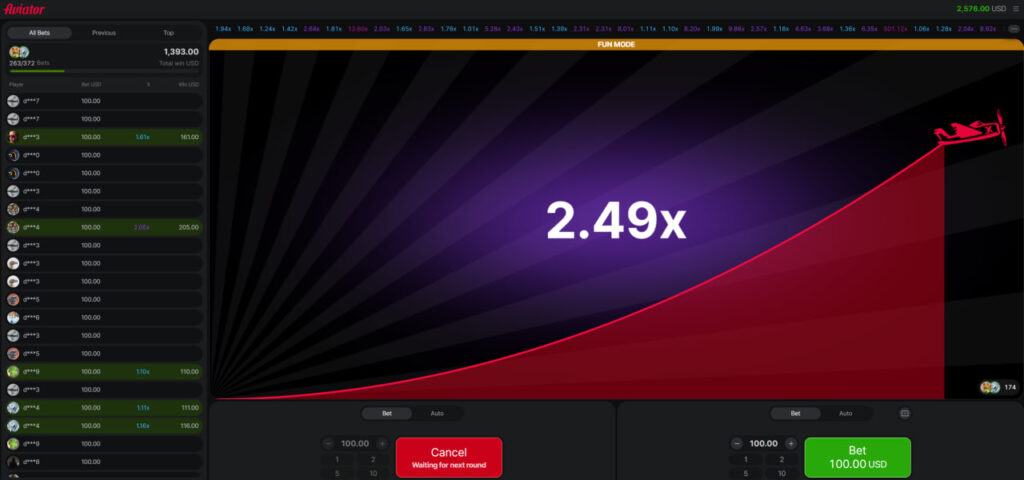
A demo session also lets you test interface tools. Auto Bet, Auto Cash Out, and two-bet setups can feel simple on paper, but they behave differently once you’re clicking in real time. You’ll learn what targets you can execute calmly and which ones push you into chasing.
Using the demo can improve your real-money play because it helps you:
- Calibrate realistic cash-out goals that match your risk tolerance and reaction time.
- Test staking systems safely and discover how quickly losses can compound under pressure.
- Build routines for session limits, breaks, and avoiding impulse decisions.
If you’re still getting comfortable with Aviator, a short demo routine—ten to twenty minutes focused on one target range—often teaches more than hours of random rounds.
Fairness, Verification, and Where It’s Legal
Aviator is often described as “provably fair,” which is a specific fairness model used in many online games. In plain terms, provably fair means the outcome of each round can be verified using cryptographic methods, so neither the player nor the operator can secretly change results after the fact. Understanding fairness mechanics also helps clarify how to win in Aviator game, because you can separate myth from math and focus on decisions you actually control.
Most implementations use a combination of a server seed, a client seed, and a nonce (a counter that changes each round). Before play, the game displays a hashed version of the server seed, which acts like a commitment. After the session or after seed rotation, the server seed is revealed, and the system allows you to verify that the hash matches and that the round results were generated from the published inputs.
- Server seed commitment: You can check that the revealed server seed matches the hash shown earlier.
- Client seed control: In many versions you can set or change a client seed, adding your own input to the outcome generation.
- Round-by-round verification: With the seeds and nonce, you can reproduce the multiplier and confirm it wasn’t altered.
Legality is separate from fairness. Whether you can play Aviator legally depends on your location and on whether the operator is licensed to offer that type of game in your jurisdiction. Laws and licensing rules vary widely, even within the same country. The safest approach is to check local regulations and stick to properly licensed operators where you live.
Playing Responsibly and Staying in Control
Aviator can feel deceptively controllable because you choose when to cash out, but no strategy can guarantee wins. The multiplier can end at any point, and even good habits can’t eliminate variance. The healthiest way to approach how to win Aviator game is to focus on consistent decision-making, not on trying to force a particular outcome.
Set limits before you start, and treat them as non-negotiable. If you notice yourself increasing stakes to recover losses, delaying cashouts to “make it worth it,” or extending sessions past your plan, those are signs to step back. Crash games are designed to be fast, so discipline and breaks matter more here than in slower formats.
FAQ: Clear Answers for New Aviator Players
Aviator is primarily chance-based, because you cannot influence when the round ends. Skill comes into play through bankroll management, choosing sensible cashout targets, and sticking to session limits.

Modestas Mankus
Last updated: 10.03.2026